☎ (719) 600-2752
★★★★★ Hanging & Finishing Drywall in the Springs Since 2009

Colorado Springs Drywall Installation.

New drywall hung, taped, and finished for homes and builders across Colorado Springs. Basements, garages, additions, and new builds, done to code and scheduled around your inspections.

  • Free Fast Estimates
  • Hang, Tape, Finish & Texture
  • Residential & Commercial
Why Call Us

Why Choose Our Colorado Springs Drywall Installers

1

Drywall Installers and Finishers on One Crew

On a lot of jobs, one crew hangs the board and a different crew shows up to finish it, and nobody owns the result when seams show. Our crew handles the whole job, from the first sheet to the final coat of texture. If something isn't right, you can call us. All our work comes with a workmanship guarantee as well.

2

Drywall Finishing Built for Colorado's Dry Air and Bright Sun

Joint compound dries fast at 6,000 feet, and thick coats crack if they're rushed. Our low winter sun also shines across walls and shows every uneven seam. We use setting compound on first coats, build the finish in thin passes, and check every wall with a light held flat to the surface before we call it done.

3

Residential & Commercial Drywall Installation With Firm Quotes

Whether it's a basement, a new home, or an office suite, your quote spells out the board types, finish level, and texture, so you know exactly what you're getting. We schedule around your PPRBD inspections. The price you approve is the price you pay.

Residential

Residential Drywall Installation in Colorado Springs

From a basement finish to a whole new house, here's the residential drywall work we do every week. Every job includes hanging, taping, finishing, and texture, unless you only need part of it. Looking to fix existing walls instead? See our drywall repair page.

⌗

Basement Drywall Installation

Drywall installed on floating walls in a Colorado Springs basement

Finishing a basement is among our most popular drywall jobs in Colorado Springs. Many basements here sit on clay soil that can push the slab up over time, so the walls are built to "float" with a small gap at the bottom. We install the drywall so that gap keeps working, which keeps your new walls from cracking when the floor moves.

  • We keep drywall off the slab and never fasten it to the bottom plate.
  • We start only after your PPRBD framing and insulation inspections pass.
  • We install fire-rated board under stairs and near mechanicals where code requires it.
⌂

Room Addition & Remodel Drywall

New drywall installed in a Colorado Springs room addition

We install drywall for room additions, bonus rooms, opened-up kitchens, and remodels that move walls around. The trickiest part is usually where new drywall meets old, because existing walls have years of paint on them and a texture that has softened over time. We carefully match the new work to how your house looks today, so the addition looks like it was always there.

  • We blend new walls into your existing texture and finish.
  • We build up new drywall to sit flush against older plaster walls.
  • We spell out the finish level for each room in your quote.
▦

New Construction Drywall for Builders

Drywall being hung in a new construction home in Colorado Springs

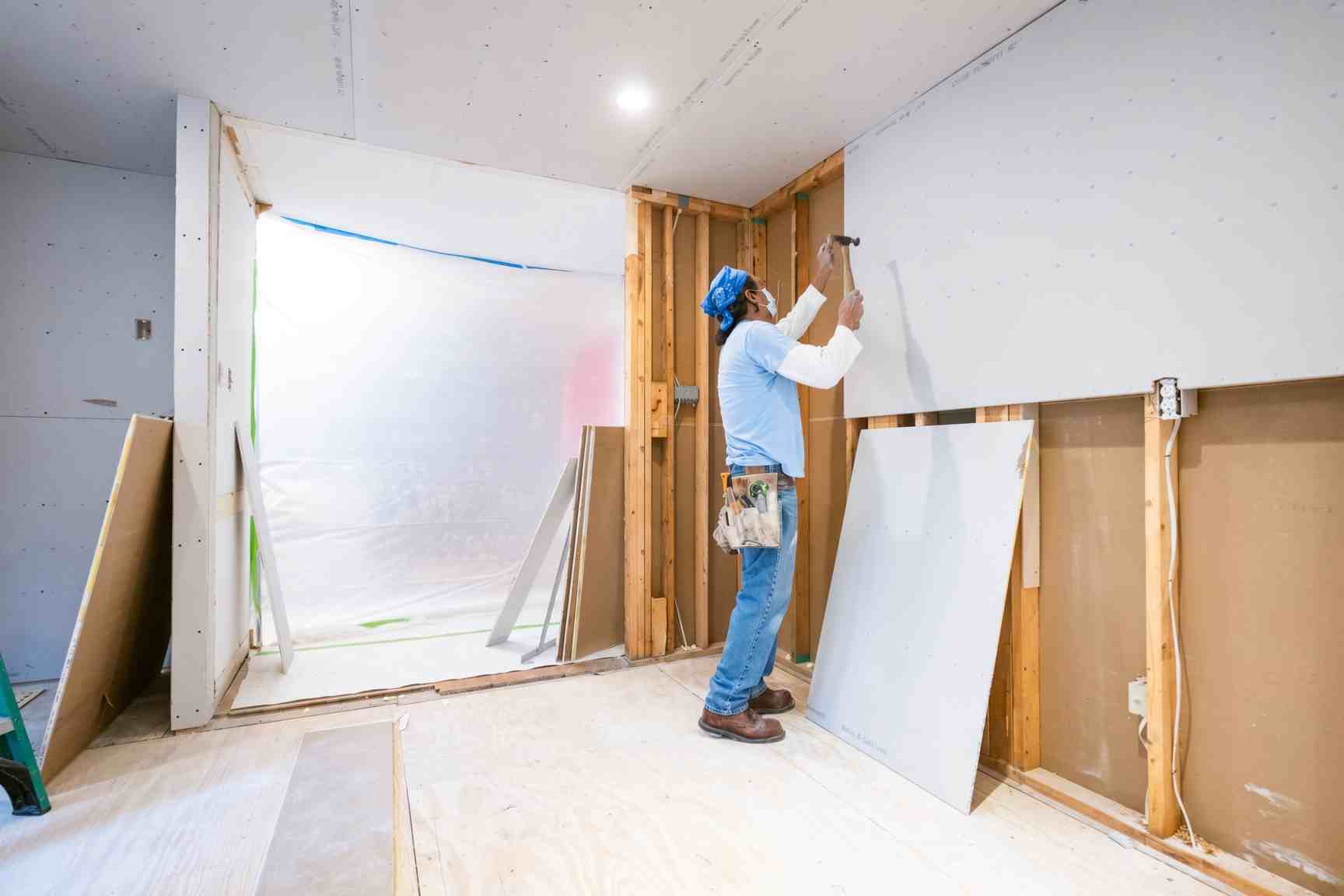
We hang and finish drywall for custom homes, spec homes, and multi-unit projects as a subcontractor for local builders and general contractors, from the Northgate area out to Falcon and Peyton. We show up when we say we will, keep the site clean, and put our schedule in writing. That way your painters and trim carpenters aren't left waiting on us.

  • We hang, tape, finish, and texture whole homes.
  • We install fire-rated assemblies to pass inspection the first time.
  • We give clear schedules and follow through on every punch list.
▣

Garage Drywall Installation & Fire-Rated Drywall

Fire-rated drywall installed on a garage ceiling in a Colorado Springs home

The walls and ceiling between your garage and your house act as a fire barrier. Code requires drywall on the garage side, and 5/8" Type X fire-rated board on the ceiling when there's a bedroom or living space above. It's one of the items home inspectors here flag most often, especially after a DIY garage finish. We install the rated board where it's required and finish the rest only as far as you want, which can save you a lot of money.

  • We install Type X fire-rated drywall wherever code requires it.
  • We finish garage conversions into comfortable living space.
  • We give honest advice on finish level so you don't overpay.
≋

Insulation and Drywall Installation

Insulation installed in wall framing before drywall in a Colorado Springs home

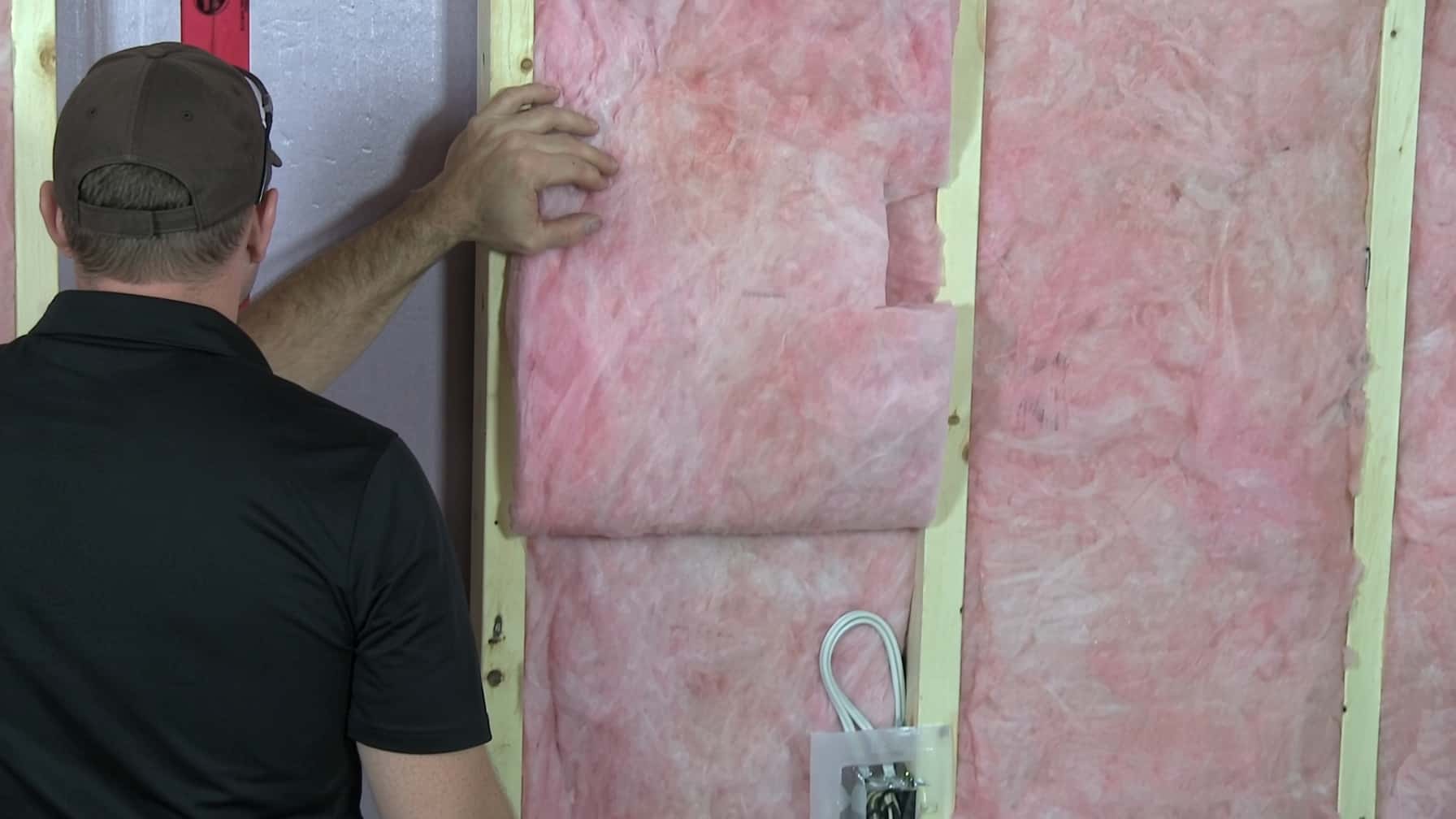
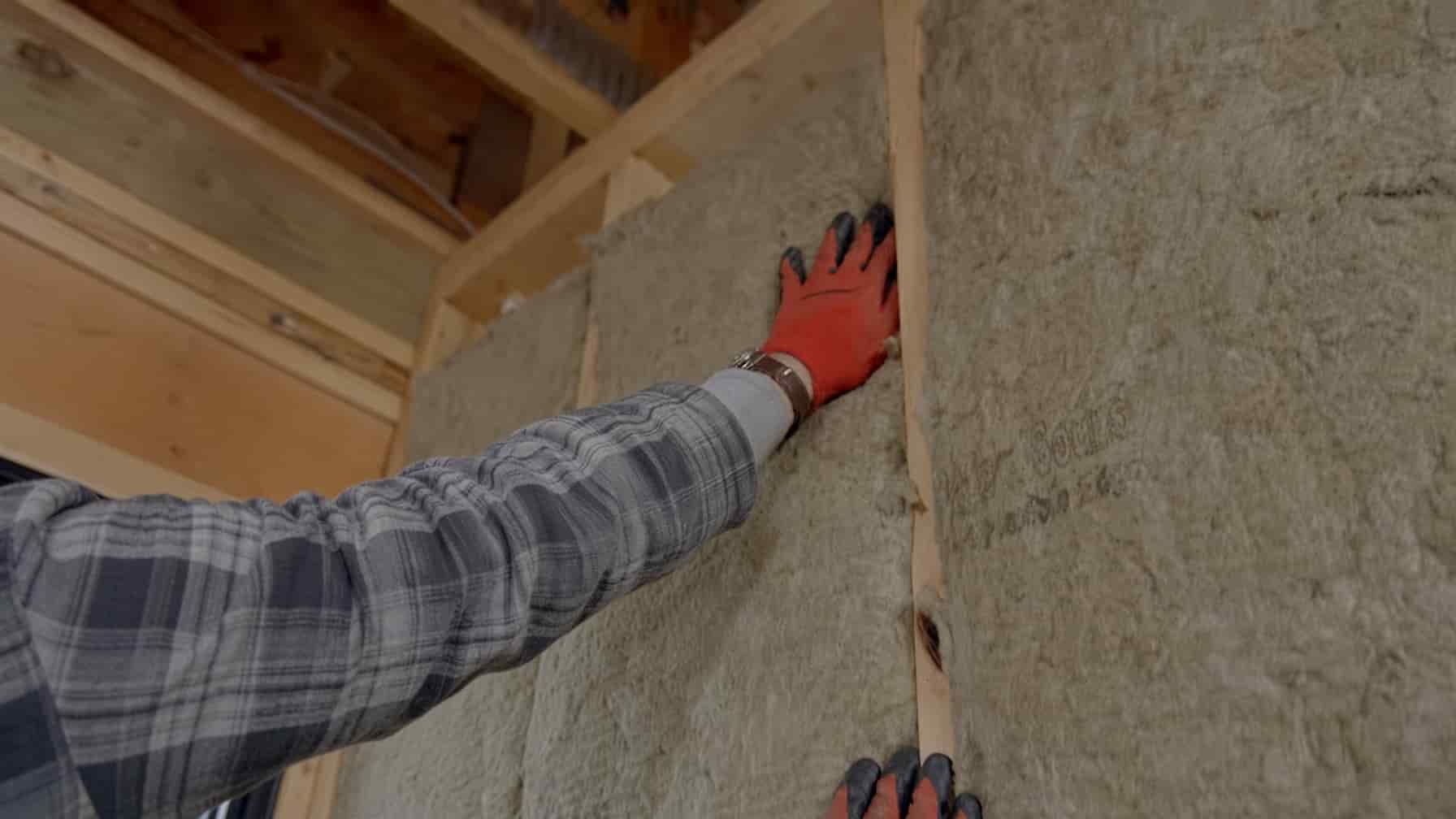
On most projects, insulation goes in right before the drywall, and on permitted jobs the inspector has to approve it first. When two different crews handle those steps, walls can sit open for days waiting on the next one. If your project needs both, we line up the insulation, the inspection, and the drywall as one schedule, so there's no gap. With Colorado Springs winters, it's worth getting right: well-insulated exterior walls and basements stay noticeably warmer and cost less to heat.

  • One schedule for insulation and drywall, with no waiting between crews.
  • Drywall goes up only after your insulation inspection passes.
  • Sound insulation is available for bedrooms, home offices, and theaters.
◫

Drywall Hanging & Finishing: Hang-Only or Finish-Only

Drywall sheets stocked and being hung in a Colorado Springs home

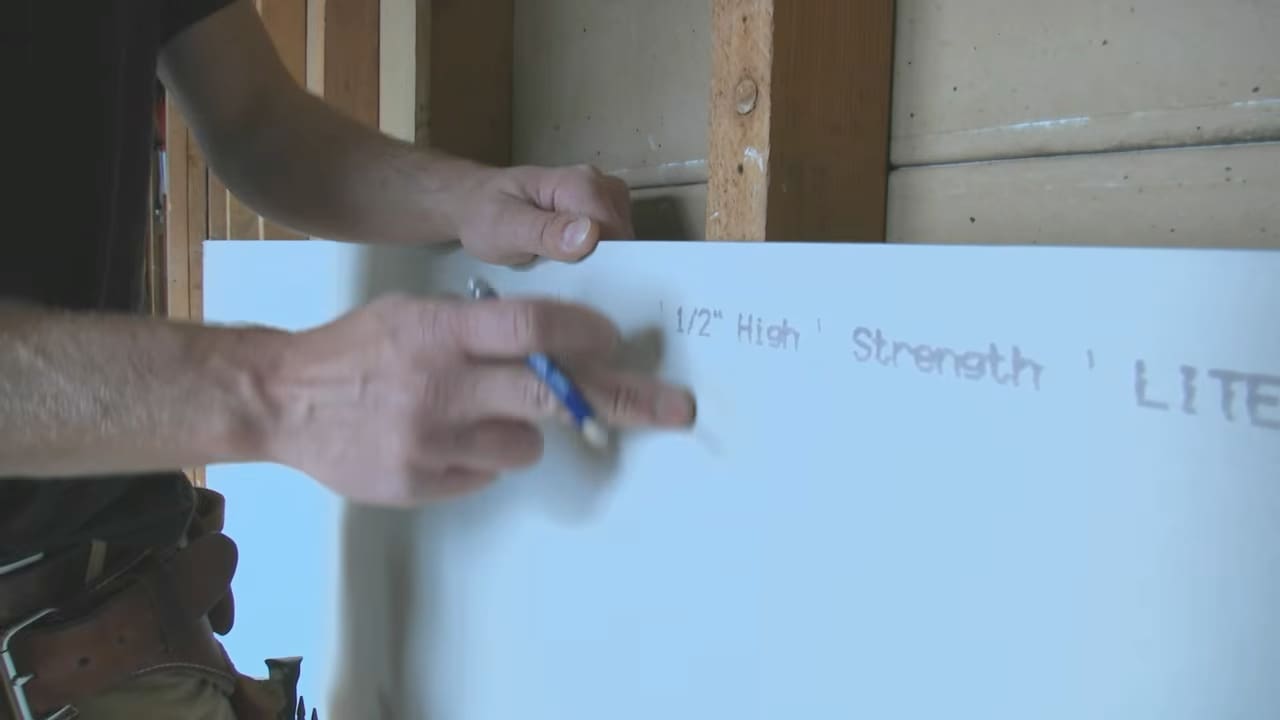
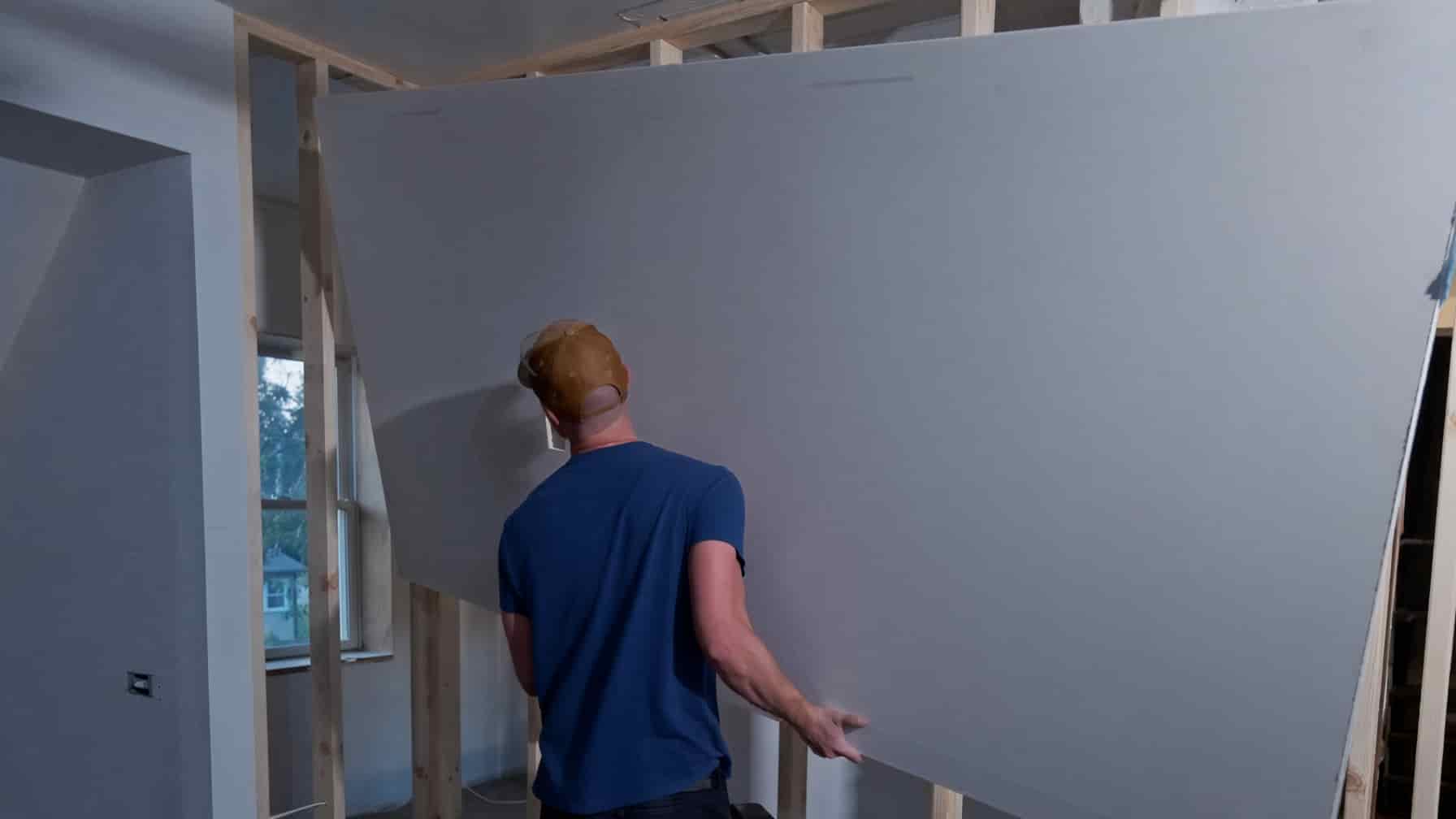
Not every project needs the full job. A lot of Colorado Springs homeowners hang their own basement drywall to save money, then hire out the taping and finishing, which is the part that takes experience to get right. Before we tape, we walk your hang job and point out anything that would cause cracks later, like loose screws or sheets touching the slab. Builders with their own finishers can also hire us to hang only.

  • Finish-only pricing for drywall you've already hung.
  • Hang-only pricing for builders and contractors.
  • Bad joints from a previous crew cut out and redone.
⛰

Ceiling Drywall Installation for Vaulted & High Ceilings

Drywall installed on a vaulted great room ceiling in a Colorado Springs home

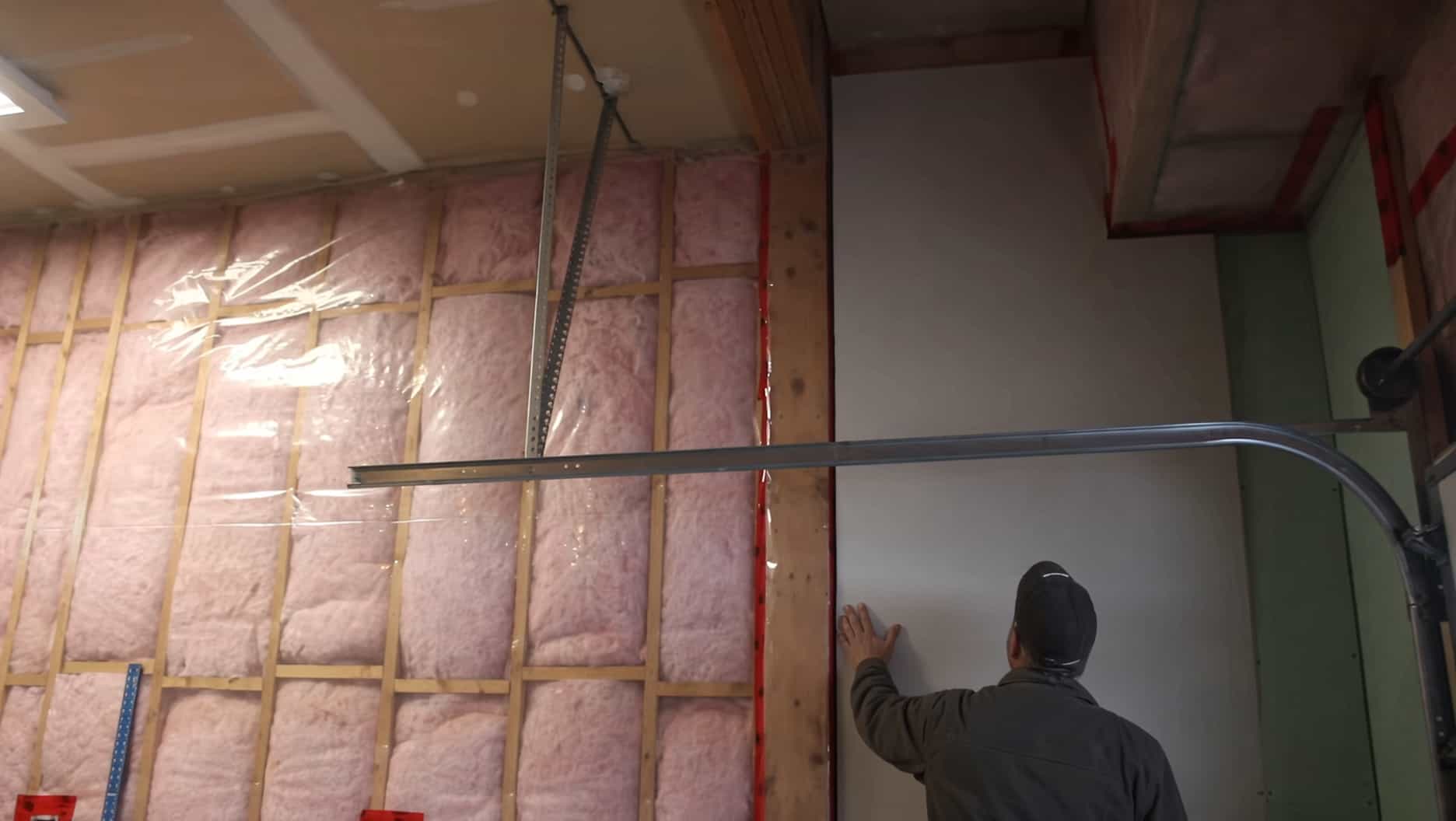
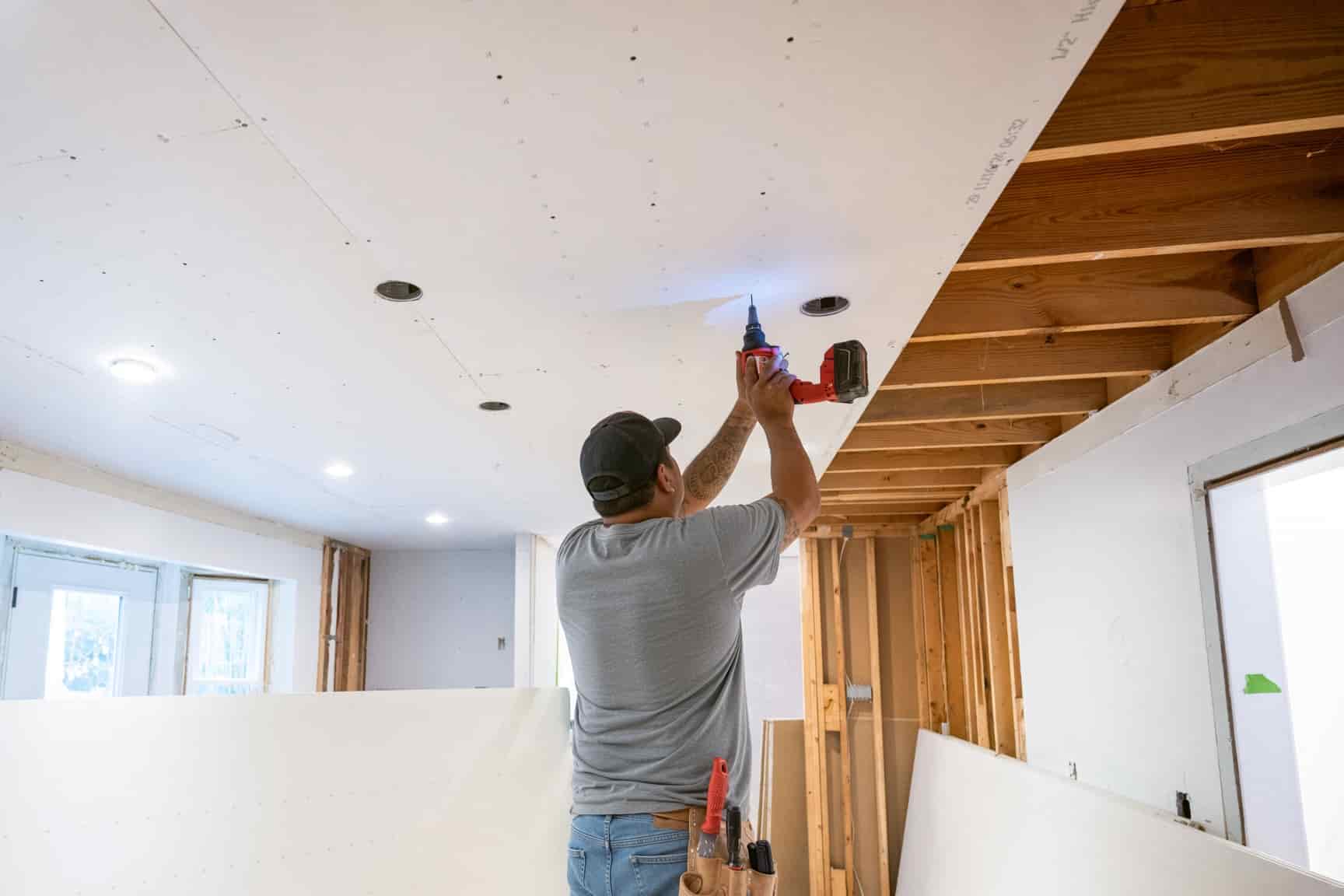
Ceilings are the hardest part of any drywall job. The sheets are heavy, the work is overhead, and every window lights up the finish. Vaulted great rooms and two-story entryways, which are common in Briargate, Flying Horse, and Black Forest, also need scaffolding and careful planning. We bring the right equipment and use stiffer ceiling board, so your ceilings stay flat for years.

  • We use 5/8" or sag-resistant board on ceilings.
  • We install drywall on vaulted, cathedral, and two-story walls.
  • We include scaffolding and floor protection in your quote.
✦

Drywall Texture & Smooth Level 5 Finishes

Smooth Level 5 drywall finish in a Colorado Springs living room with large windows

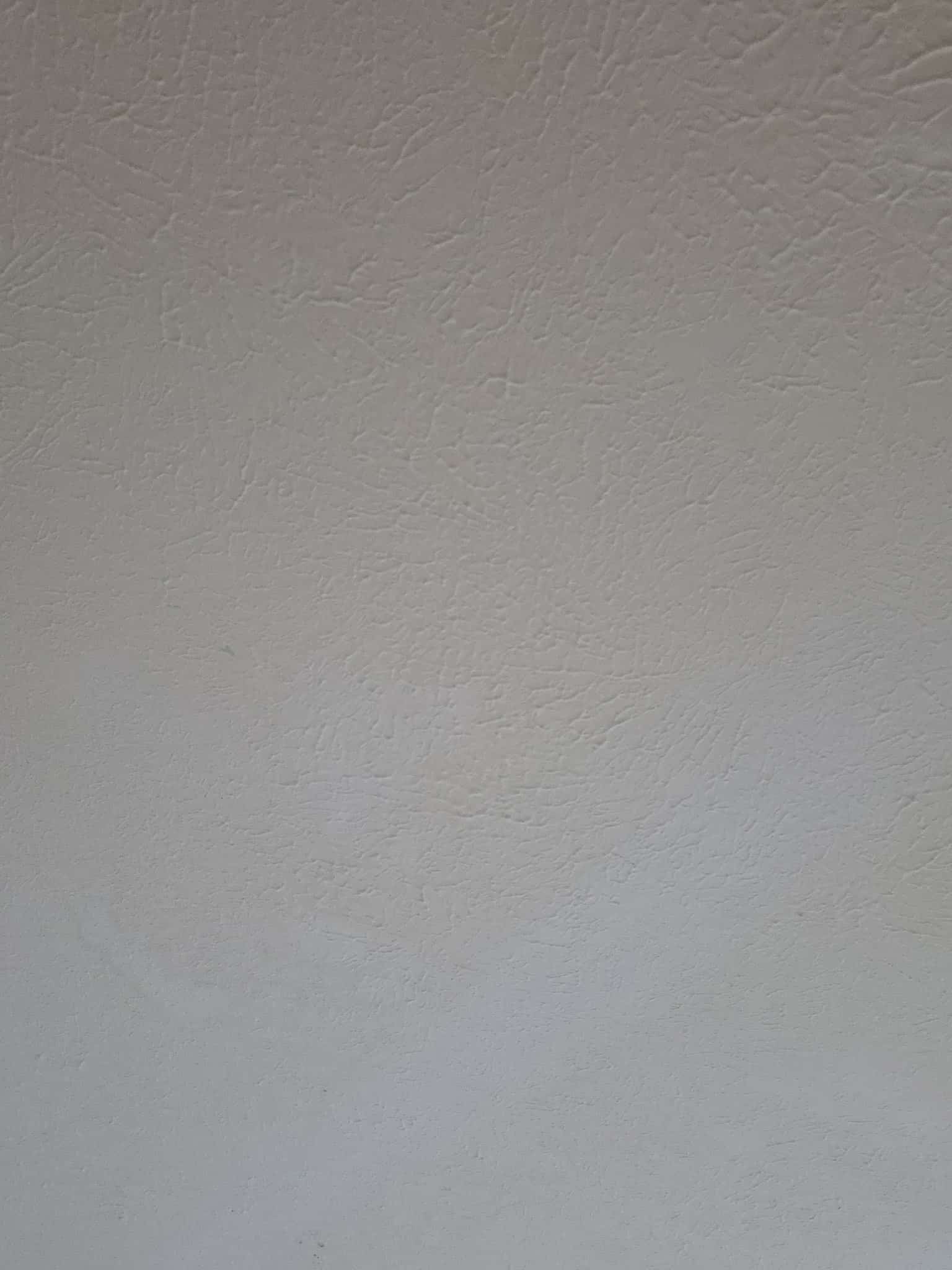
Most Colorado Springs homes get knockdown or orange peel on new drywall to match the rest of the house. Remodels and custom homes increasingly want smooth walls, which need a Level 5 finish to look right under our bright, low winter sun. We'll show you samples and explain the cost difference, so you can choose what fits your home and budget.

If you're adding new drywall and still have popcorn ceilings elsewhere, many homeowners remove the popcorn ceilings at the same time so every room has the same modern finish.

  • We apply knockdown, orange peel, skip trowel, and smooth finishes.
  • We list Level 4 or Level 5 finishes clearly in your quote.
  • We match new texture to the rooms you already have.
♨

Bathroom & Moisture-Resistant Drywall

Regular drywall breaks down when it stays damp, so bathrooms, laundry rooms, and basement wet bars need a tougher board in the spots that get wet. We use moisture-resistant drywall where steam and splashes hit, and cement board behind tile in showers and tub surrounds. Colorado Springs is dry enough that most of your home doesn't need the upgrade, so we only use it where it actually protects your walls and won't charge you for premium board you don't need.

  • Moisture-resistant board in bathrooms, laundry rooms, and wet bars.
  • Cement board behind shower and tub tile.
  • Upgraded board only where it makes a real difference.
♪

Soundproof Drywall Installation

Soundproof drywall installed in a Colorado Springs basement home theater

Home theaters, home offices, basement bedrooms, and shared townhome walls all benefit from less noise. Depending on your goals, we can install soundproof drywall, add a second layer of board, or pair standard drywall with sound insulation. Because soundproof board costs several times more, we'll tell you when a cheaper option gets you most of the way there.

  • We soundproof home theaters and media rooms.
  • We quiet basement apartments and townhome party walls.
  • We compare options by cost and results before you decide.
▤

Drywall Replacement After Water Damage or Tear-Out

When a pipe bursts in a January freeze or a basement floods, the wet drywall has to come out, and putting it back right matters as much as tearing it out. Before any new board goes up, we check the framing with a moisture meter and replace soaked insulation, because closing up a wall that's still damp is how mold starts. Then we hang and finish new drywall to match the rest of your home. We also replace whole ceilings, including popcorn ceilings that are water-stained or painted over and better replaced than scraped. For smaller damage, see our water damage drywall repair or ceiling repair services.

  • Full rooms re-drywalled after flood, fire, or a gut remodel.
  • Moisture checked before any new board goes up.
  • Colorado asbestos testing handled before large tear-outs.
Commercial

Commercial Drywall Installation in Colorado Springs

Office suites, retail spaces, medical offices, and apartment buildings across Colorado Springs. Fire-rated walls built to pass inspection, and scheduling that works around your business and tenants.

🏢

Office Build-Out & Tenant Finish Drywall

New drywall walls framing private offices in a Colorado Springs office suite

We hang and finish drywall for private offices, conference rooms, and reception areas in buildings along the Powers and Interquest corridors, downtown, and across the north side. Walls between suites are built to the fire rating your building and lease require, and we can work around your other contractors so the schedule keeps moving.

  • Tenant finish for new and existing office suites
  • Fire-rated walls between suites and along corridors
  • Scheduled around your electrical, HVAC, and ceiling trades
◫

Retail & Restaurant Drywall Build-Outs

Drywall build-out in a Colorado Springs retail storefront

Customers notice your walls, especially under bright store and restaurant lighting. That's why we give sales floors and dining rooms a smoother finish than a back office would need. Kitchens and prep areas get moisture- and impact-resistant board, which holds up to daily wear and helps you pass the health inspection. Since your timeline is tied to an opening date, we schedule around it, and around your neighbors' hours in busy shopping centers.

  • Level 4 or Level 5 finishes for sales floors and dining rooms
  • Moisture- and impact-resistant board in kitchens and back rooms
  • After-hours work when neighboring tenants need to stay open
✚

Medical & Dental Office Drywall

Medical and dental suites need more than standard walls. Before any drywall goes up, we review the plans with your contractor and mark which walls need sound insulation for patient privacy, which need moisture-resistant board near sinks, and which need a fire rating. Planning it up front helps your space pass inspection on the first visit, so you can open on time.

  • Sound-insulated walls for exam and treatment rooms
  • Moisture-resistant board at sinks and sterilization areas
  • Smooth, easy-to-clean finishes ready for paint
▤

Apartment & Multi-Family Drywall Installation

Colorado Springs has added a lot of apartments and townhomes in recent years, and older complexes turn over units all the time. We install drywall in lobbies, hallways, clubhouses, and leasing offices, and we build the walls between units to the fire and sound ratings code requires. In occupied buildings, we keep dust contained and work hours that don't disrupt residents.

  • Lobbies, corridors, and amenity spaces
  • Fire- and sound-rated walls between units
  • Unit turns batched to save property managers time and money

Commercial Drywall Subcontractor for General Contractors

We bid from your plans, show up on the scheduled day, and finish on time. You'll have one point of contact and a written schedule from start to finish.

Commercial Build-Outs for Business Owners & Property Managers

You can hire us directly for smaller build-outs and unit turns. We walk the space with you, explain the scope in plain terms, and plan the work around your opening or move-in date.

2026 Colorado Springs Pricing

Drywall Installation Cost in Colorado Springs

Most drywall installation in Colorado Springs costs $1.50 to $3.00 per square foot of wall and ceiling surface. That includes the drywall, hanging, taping, finishing, and texture. Big jobs like an open basement land near the low end. Small rooms, vaulted ceilings land near the top.

Hang, Tape & Finish
$1.50–$3.00

Per sq ft, Level 4 with texture

12'×12' Room
$800–$1,600

Walls and ceiling, about 530 sq ft

20'×20' Room
$1,500–$3,000

Walls and ceiling, about 1,000 sq ft

Basement
$4,500–$8,500

Typical 1,000 sq ft floor

Drywall Cost Per Square Foot in Colorado Springs
What's IncludedTypical CostGood to Know
Drywall materials onlyBoard, screws, tape, compound$0.40–$0.75 / sq ftStandard 1/2" board is the cheapest. Ceiling board, fire-rated, and moisture-resistant board cost a little more, and soundproof board costs several times as much. We only recommend premium board where it makes sense for you, so you are not overbilled.
Hang onlyLabor to install the board$0.50–$1.00 / sq ftIncludes cutting, screwing, and corner bead. Popular with builders who have their own finishers. Ceilings and tall walls land toward the top.
Finish onlyTape, mud, sand, texture$1.00–$2.00 / sq ftA common choice for Colorado Springs homeowners who hang their own basement drywall. We check the hang job before we start.
Hang, tape & finishLevel 4, textured$1.50–$3.00 / sq ftMaterials and labor, ready for primer. Most local homes get knockdown or orange peel to match the rest of the house.
Level 5 smooth upgrade+$0.50–$1.00 / sq ftA thin coat over the whole surface. Worth it for smooth walls, glossy paint, or big west-facing windows where our low winter sun shows every seam.
Per 4'×8' sheetHung, taped & finished$50–$95 per sheetA 4'×8' sheet covers 32 sq ft. Hang-only labor runs about $16–$32 per sheet.
Drywall Installation Cost by Project in Colorado Springs
ProjectApprox. Drywall AreaTypical Cost
Small room or bedroomAbout 12'×12', walls and ceiling~530 sq ft$800–$1,600
Large room or bonus roomAbout 20'×20', walls and ceiling~1,000 sq ft$1,500–$3,000
Two-car garage9–10 ft walls, fire-rated where required~1,000–1,200 sq ft$1,500–$3,500
Basement finishAbout 1,000 sq ft of floor, floating walls~3,000–3,500 sq ft$4,500–$8,500
Room addition or garage conversionVaries$2,500–$8,000+
Whole house, new constructionAbout 2,000 sq ft of floor~6,000–7,000 sq ft$9,000–$21,000+

Ranges include labor, materials, and texture for typical access. Painting is quoted separately. Small jobs cost more per square foot because setup and cleanup take about the same time regardless of size. Commercial projects are quoted from plans.

What "hang, tape, and finish" includes in our quotes: the drywall and delivery, carrying sheets into each room (by boom truck through an upstairs window when that's easier than the stairs), hanging with screws, corner bead on outside corners, paper tape on every seam and inside corner, three coats of compound sanded to Level 4, your choice of texture, and full cleanup with scraps hauled away. Primer and paint are quoted separately, and we're happy to add them. If another bid is much lower, compare it against this list to see what's missing.

Drywall Installation Cost Calculator

Enter your room size for a quick estimate of drywall area, sheets needed, and installed cost in Colorado Springs.

Estimated installed cost
$1,500–$3,000
Drywall area—
4'×8' sheets needed—
Rate used—

Includes a small deduction for doors and windows and about 10% extra board for waste. Your written quote will reflect your actual layout, ceiling height, and finish.

Get an Exact Quote

What Affects Drywall Installation Cost in Colorado Springs?

  • Finish level. A Level 4 finish with knockdown or orange peel is the standard here. A smooth Level 5 finish adds a full extra coat and more sanding.
  • Ceiling height and layout. Vaulted great rooms and two-story entryways, common in Briargate and Flying Horse, need scaffolding. Rooms with lots of corners, soffits, and angles take longer than big open walls.
  • Type of drywall. Fire-rated, moisture-resistant, and sag-resistant board cost a little more than standard 1/2", but each one prevents a bigger expense later. Many Colorado Springs ceilings have wide framing with heavy insulation on top, and standard board can slowly sag between the framing over the years. Stiffer ceiling board keeps them flat, so you don't have to pay to re-secure or replace a drooping ceiling down the road. Moisture-resistant board near showers and laundry helps prevent soft spots and mold. Fire-rated board in garages passes inspection the first time and won't get flagged when you sell.
  • Access. Carrying 12-foot sheets into a basement or up a narrow staircase takes extra time. For second floors, sheets are often delivered through a window by boom truck.
  • Project size. Bigger jobs cost less per square foot because setup, travel, and cleanup are spread over more board. That's why a whole basement costs less per foot than a single bedroom.
  • Season. In winter, the space has to stay at least 55°F so compound can cure. New builds and unheated garages may need temporary heaters, which we can plan for in your quote.

How to Estimate How Much Drywall You Need

Multiply the length of each wall by its height, add them together, then add the ceiling (length × width). That's your total drywall area. For a quick estimate, wall and ceiling area is usually 3 to 3.5 times your floor square footage. Divide by 32 to get the number of 4'×8' sheets, and add about 10% for waste. We use 4'×12' sheets wherever we can, which means fewer seams and a flatter finish. Or skip the math and try the drywall installation cost calculator.

What Does a Drywall Installer Charge Per Hour in Colorado Springs?

Drywall installers who bill hourly in Colorado Springs typically charge about $45 to $85 an hour per worker, plus materials, and many add a trip minimum. The catch is that drywall needs drying time between coats, so a job can stretch across several visits and the hours add up. With hourly billing, it's hard to know the final cost until the job is done. We price by the job instead, based on square footage and finish level. Since the price is set before we start, any extra time is on us, not you. That gives us every reason to work efficiently, and you never have to wonder whether the clock is running.

Size Up Your Project

How Many Sheets of Drywall Do You Need?

A 4'×8' sheet covers 32 square feet. Measure each wall (length × height), add the ceiling (length × width), and add about 10% for cuts and waste. Here's how common Colorado Springs projects work out.

Drywall Sheets Needed for Common Projects
SpaceWalls + Ceiling4'×8' Sheets
10'×10' bedroom8 ft walls~420 sq ft14–15 sheets
12'×12' room8 ft walls~530 sq ft18–19 sheets
20'×20' room or 2-car garage8 ft walls~1,000–1,040 sq ft34–37 sheets
Basement finish~1,000 sq ft of floor~3,000–3,500 sq ft105–120 sheets
New house~2,000 sq ft of floor~6,000–7,000 sq ft205–240 sheets

Don't subtract small windows and doors, since those cutouts mostly end up as scrap. You can subtract a garage door. Pros often use 4'×12' sheets to cut down on seams, which changes the count but not the square footage. Try the drywall cost calculator for your exact room.

What to Expect

How Drywall Installation Works: Our Step-by-Step Process

Whether it's one bonus room or a new home, every drywall installation follows the same steps. Here's what happens from estimate to final walkthrough.

1

Free Drywall Estimate & Written Quote

We measure every wall and ceiling, count the sheets, and give you a firm written quote. It lists the board types, finish level, and texture for each room, so you know exactly what you're paying for and there are no surprise charges later.

2

PPRBD Inspections & Framing Check

On permitted projects, your framing, electrical, plumbing, and insulation inspections need to pass before any drywall goes up. We also check that the framing is straight and that solid wood blocking is in place for TVs, cabinets, and handrails. It's much easier to fix now than after the walls are closed.

3

Drywall Delivery & Room Protection

Drywall is delivered and stocked in each room, by boom truck through an upstairs window when that's easier than the stairs. We cover floors, windows, and finished areas, then seal off the work area so dust stays out of the rest of your home.

4

Drywall Hanging

Ceilings go up first, then walls. We use long sheets to keep seams to a minimum, stagger the joints, and screw every sheet to the framing. In basements, we keep drywall off the slab so floating walls can move. On upstairs ceilings, we install the corners to handle the slight truss lift that happens here every winter.

5

Drywall Taping, Mudding & Sanding

Paper tape and setting compound go on first, because setting compound holds up better than premixed mud in our dry air. Then we apply thin finish coats, each one a little wider than the last, and sand between coats with dust-collecting sanders.

6

Drywall Texture, Cleanup & Final Walkthrough

We match the texture to your samples or existing rooms. Then we check every wall under bright, angled light, the same way the low winter sun will hit it, and touch up anything that shows. We clean up completely and walk through the finished space with you before we call it done.

What to Do Before Drywall Goes Up: A Homeowner Checklist

Once drywall is hung, everything behind it is hidden. Here's what we recommend checking before we start.

  • Snap a few photos of each wall. A quick phone photo showing where wires, pipes, and studs are will save you guesswork for years when you hang shelves or plan a future project.
  • Decide where heavy items will go. If you're planning a wall-mounted TV, upper cabinets, floating shelves, grab bars, or a stair handrail, let us or your framer know. A piece of wood blocking added now holds the weight, and we'll double-check it's there before we hang.
  • Think about extra wiring. If you want Ethernet, speaker wire, security cameras, or TV cables in the walls, ask your electrician to run them now. It's quick while the walls are open, and much harder later.
  • Confirm your light and fan locations. Take a quick look to make sure recessed lights and ceiling fans are where you want them. Your electrician can easily move them now.
  • Ask about your bathroom fan vent. Bathroom fans should vent outside, not into the attic, or they can cause frost and ceiling stains in Colorado Springs cold snaps. If you're not sure, we'll look when we're on site.
  • Let us check your basement framing. If you framed your basement yourself, we'll make sure the walls float above the slab before we hang anything. It's a common miss, and an easy fix at this stage.
  • Wait for inspection sign-off. Whoever pulled the permit, whether that's you or your contractor, should confirm PPRBD has approved the framing, electrical, plumbing, and insulation.
Plan Your Schedule

How Long Does Drywall Installation Take?

Hanging drywall goes fast. Most of the time goes into taping and finishing, because each coat of compound has to dry before the next one goes on. Here's what to expect for typical projects.

ProjectHangingTotal, Hang to Primer-ReadyWhat Happens After Hanging
Single room or bonus roomHalf a day to 1 day3–5 working daysTape and first coat on day one, then two thin finish coats on the following days, each dried before the next. Sanding and texture finish it off.
Two-car garage1 day3–5 working daysSame coat-by-coat process as a room. In winter, unheated garages need a heater running so compound can cure, which we plan for in the schedule.
Basement finish900–1,400 sq ft of floor1–2 days7–10 working daysMore seams, corners, and soffits to finish. We work room by room, so one area is drying while we coat the next and no day is wasted.
Room addition1–2 days1–2 weeksNew walls have to blend into your existing ones, so texture matching and tying into old walls take extra care at the end.
Whole house, new constructionAbout 2,000 sq ft2–4 days2–3 weeksEvery room goes through three coats, sanding, and texture. We stage the work so your painters and trim crew can start as soon as possible.
Small office or retail build-outUnder 2,000 sq ft1–3 days1–3 weeksDepends on how many walls, whether we work after hours, and how we fit around your electrical and HVAC trades.

Our dry Colorado air helps compound dry faster than in humid climates, but we never skip or rush coats, because that's what causes cracks later.

How Colorado Springs Weather Affects Drywall Drying

Our climate mostly speeds drywall up, but each season brings something we plan around:

  • Dry air, year-round. Compound can skin over on the surface before it's dry underneath. We use setting compound for first coats and keep space heaters from blowing directly on fresh mud, because uneven drying leads to cracks.
  • Winter cold. Garages, additions, and new builds without heat can drop below 55°F overnight, which stops compound and texture from curing properly. Homes in Black Forest, Monument, and Woodland Park get colder nights than town, so we plan heat into the schedule.
  • Summer storms. July and August afternoon thunderstorms bring short bursts of humidity. A coat might take a few extra hours, so we keep windows closed and work around it.
Codes & Inspections

Do You Need a Permit to Install Drywall in Colorado Springs?

Usually, the drywall is covered by the permit for the bigger project. Basement finishes, additions, garage conversions, and commercial build-outs need a building permit, and certain work has to pass inspection before the walls can be closed up. Here's how it works locally, so you know what to expect.

Who issues building permits in Colorado Springs. The Pikes Peak Regional Building Department (PPRBD) handles permits for Colorado Springs, unincorporated El Paso County, Fountain, Monument, Manitou Springs, Palmer Lake, and several other towns. Woodland Park and the rest of Teller County have their own building departments. We confirm which one covers your address before we schedule anything.

Inspections required before drywall goes up. Your framing, electrical, plumbing, and mechanical work, plus the insulation, all have to pass inspection first. Once drywall covers them, the inspector can't see that work, and walls closed too early may have to be opened back up. That's why we schedule our start date around your inspection results, never before.

Fire-rated drywall requirements. Code requires fire-rated board in a few specific places: garage ceilings with living space above, walls shared with an attached garage, walls between apartment units, and walls between commercial tenants. We install the right board in the right spots so it passes the first time. If your inspector wants to see it before it's taped, we plan for that too.

Pulling your own permit as a homeowner. In the PPRBD area, you can pull your own permit for work on your own home, and many of our basement clients do. Your walls are inspected to the same standard as a contractor's job, so we're happy to walk you through what the inspector will look for before the drywall goes up.

When you don't need a permit. Replacing damaged drywall with the same type of board, patching, and retexturing are usually considered routine repairs. For more on repair permits, see our drywall permit guide. Every project is a little different, so the final word always comes from your approved plans and your inspector.

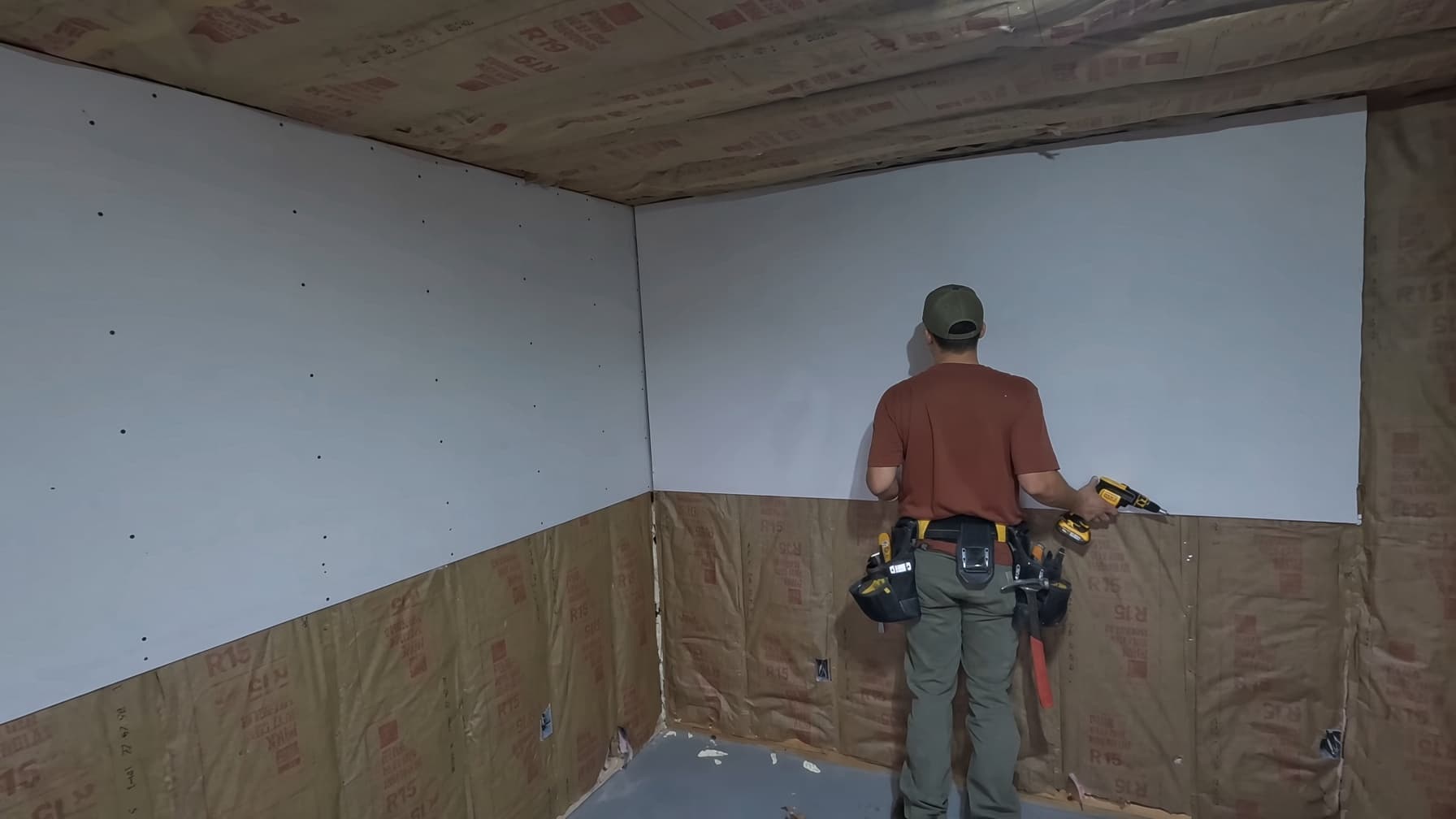
Built for the Front Range

What Makes Drywall Installation Different in Colorado Springs

Our altitude, dry air, clay soil, and cold winters all change how drywall should go up. Here's what we do differently, and why.

Joint Compound That Holds Up in Dry Colorado Air

At over 6,000 feet, our air is so dry that regular premixed joint compound can dry on the surface before it's dry underneath, which leads to shrinking and hairline cracks. For first coats, we use setting compound, which hardens through a chemical reaction instead of drying out. This way, your seams stay strong, even through our dry winters.

Preventing Truss Uplift Cracks on Upstairs Ceilings

In many two-story homes here, the roof framing lifts slightly every winter and pulls the ceiling away from the walls, leaving a crack along the corner. On upstairs ceilings, we keep screws back from those corners or use drywall clips, so the ceiling can move with the seasons without cracking.

Drywall on Floating Basement Walls

Much of Colorado Springs sits on clay soil that swells and can push basement floors up over time. That's why many basement walls are built to "float," with a small gap at the bottom. We attach drywall only to the part of the wall that hangs from above, so if the floor shifts, your walls won't crack.

Ceilings That Won't Sag Under Heavy Insulation

Many local homes have ceiling framing spaced 24 inches apart, with thick blown-in insulation on top to handle our cold winters. Standard 1/2" drywall can slowly sag between the framing in that setup. We use stiffer 5/8" or sag-resistant ceiling board, so your ceilings stay flat for decades.

Seams That Stay Hidden in Low Winter Sun

Colorado Springs gets around 245 sunny days a year, and in winter the sun comes in low and shines across walls at an angle. A seam that looks fine at noon can stand out at 4 PM. Before we finish, we check every wall with a bright light held flat against the surface, the same way that winter sun will hit it.

Drywall Scheduled Around PPRBD Inspections

On permitted projects, the Pikes Peak Regional Building Department has to approve the framing, electrical, plumbing, and insulation before drywall can go up. We plan our start date around your inspection results, so your walls are never closed up too early and you never have to tear anything back out.

The Most Common Drywall Job in Town

Basement Drywall Installation in Colorado Springs

Finishing a basement is one of the most affordable ways to add living space, since the foundation, floor, and roof are already there. It's also the drywall job where local know-how matters most, because of the clay soil many Colorado Springs homes are built on. Here's how we install basement drywall so it stays crack-free for years.

How Drywall Goes Up on Floating Basement Walls

In much of Colorado Springs, the clay soil under your home swells when it gets wet. Over time, that can push the basement floor up a little.

To protect your home, many basement walls here are built to "float." Each wall hangs from the ceiling framing above, with a small gap at the bottom. If the floor rises, it moves into that gap instead of pushing on the wall.

For the walls to keep floating, the drywall can't be attached to the floor. We fasten it only to the part of the wall that hangs from above, and we leave a small gap at the bottom. Your baseboard hides the gap, so you'll never see it. And if the floor ever moves, your walls won't crack.

Basement Drywall Steps, From Permit to Final Inspection

  • Get your permit. Basement finishes in Colorado Springs and most of El Paso County need building and electrical permits from PPRBD. You or your contractor can pull them, and many homeowners do it themselves.
  • Pass your inspections first. Framing, electrical, plumbing, and insulation all need approval before we hang a single sheet, so nothing has to be torn back out.
  • Hang the ceilings, then the walls. We often recommend 5/8" board on basement ceilings with wide joist spacing, so they stay flat over time.
  • Use the right board in each spot. We use moisture-resistant board near bathrooms, laundry rooms, and wet bars, and fire-rated board under stairs used for storage and anywhere else code requires it.
  • Leave room around your furnace and water heater. We keep the clearance code requires around mechanical equipment, so your final inspection goes smoothly.

Framing your own basement? Plenty of our basement clients act as their own general contractor. Before we start, we'll check that none of your walls are nailed tight to the slab. It's the most common mistake we see, and it's much easier to fix before the drywall goes up. For costs by basement size, see our basement drywall finishing guide.

Getting the Order Right

Insulation and Drywall Installation: How They Work Together

Insulation and drywall are installed back to back, and the timing matters. Insulation goes in after framing, plumbing, and electrical rough-in pass inspection. On permitted projects, the insulation is then inspected before drywall can cover it. Once it passes, the drywall goes up.

If your project needs both, we coordinate the insulation so the inspection and the drywall happen back to back. You won't have open walls sitting around waiting for the next crew, and you won't have to manage two schedules. In Colorado's cold climate, getting insulation right on exterior walls and in basements makes a real difference in comfort and heating bills.

Sound Insulation Between Rooms

Insulation isn't only for exterior walls. Adding sound insulation to interior walls around bedrooms, bathrooms, home offices, and theaters cuts noise noticeably, and it's inexpensive to add while the walls are open. It's often a better value than soundproof drywall, and we're happy to quote both options so you can compare.

The Right Board in the Right Place

Types of Drywall and Where to Use Each One

Using the right drywall in each spot keeps your home safe, passes inspection, and avoids paying for upgrades you don't need.

Drywall TypeWhere It's UsedGood to Know
Standard 1/2"Regular or lightweightMost interior wallsThe right choice for bedrooms, living rooms, and most walls in your home. Lightweight versions are easier to handle and just as strong, so there's no reason to pay for more.
5/8" or sag-resistant 1/2"Ceiling boardCeilings, especially with framing 24" apartMany Colorado Springs homes have wide ceiling framing with heavy insulation on top to handle our winters. Stiffer board keeps those ceilings flat for decades, so we use it on most ceilings we install.
5/8" Type XFire-ratedGarage ceilings with rooms above, walls shared with the garage, under stairs, between units and tenant suitesRequired by code in these spots, and PPRBD inspectors check for it. It comes up most in homes with a bonus room over the garage, common in Briargate and Stetson Hills.
Moisture-resistant"Green board" or purple boardBathrooms, laundry rooms, basement wet bars, near sump pitsResists moisture and mold in the spots that get damp. Our dry climate means you need it in fewer places than in humid states. It's not meant for behind shower tile.
Cement boardBehind tile in showers and tub surroundsHolds up to daily water where any drywall, even moisture-resistant, would eventually break down.
Soundproof drywallHome theaters, offices, basement bedrooms, shared townhome wallsCosts several times more than standard board. Sound insulation often gets you most of the way for less, and we'll quote both so you can compare.
Impact-resistantGarages, mudrooms, basement rec rooms, commercial hallwaysReinforced board that stands up to bikes, ski gear, carts, and kids. Worth it only where walls really take a beating.
1/4" flexibleCurved walls, arches, and barrel ceilingsBends to follow curves in custom homes, like the arches and curved walls common in Broadmoor and Flying Horse.

4'×8' vs. 4'×12' sheets: longer sheets mean fewer seams, and fewer seams mean a flatter, better-looking finish. We use 12-foot sheets wherever we can get them into the room, which isn't always possible down a tight basement stairway. Either way, we'll lay out your sheets to keep seams away from the walls that get the most light. For more on finish quality, see our guide to drywall finish levels.

Straight Answers

Can You Hang Your Own Drywall? DIY vs. Hiring a Pro

Hanging drywall is a job a lot of handy homeowners can take on, especially in a basement with simple, square walls. But finishing the drywall is a different story. Taping, mudding, and sanding to a smooth finish takes years to get good at, and our bright Colorado sun shows every ridge and seam.

That's why many homeowners choose a middle option: you hang the drywall, and we tape, finish, and texture it. Hanging is roughly a third of the labor cost, so it's a real savings, and you still end up with professional-looking walls.

Tips for Hanging Drywall Yourself

  • Hang the ceilings first. Then do the walls, so the wall sheets help support the ceiling edges.
  • Use long sheets and run them sideways. Hanging 12-foot sheets horizontally on walls means fewer seams to finish, if you can get them down the stairs.
  • Stagger the end joints. Try to avoid joints where two short ends meet in the middle of a wall. When you can't, offset them so they don't line up.
  • Space your screws correctly. Put screws about every 12 inches on ceilings and 16 inches on walls, set just below the surface without tearing the paper.
  • Keep basement drywall off the slab. Leave a small gap at the floor, and never screw into the bottom board of a floating wall. This is the most common DIY mistake we fix in Colorado Springs basements.
  • Leave upstairs ceiling corners loose. In two-story homes, keep ceiling screws back from interior walls so the ceiling can move with winter truss lift without cracking.
  • Rent a drywall lift for ceilings. Holding a heavy sheet overhead on a ladder is how most DIY injuries happen. Local rental shops carry them by the day.

Before we start finishing, we'll walk through your hang job with you and point out anything to fix first, like loose screws, big gaps, or sheets touching the slab. It's quick, and it saves you from cracks down the road.

Before You Hire Anyone

How to Choose the Best Drywall Installers Near You

Drywall installation companies range from one-person crews to large commercial outfits, and quality varies a lot. These checks help you compare quotes fairly.

Ask Which Finish Level Is Included

The biggest reason two quotes look different is the finish level. Ask whether the price is for Level 4 or Level 5, and which texture is included. Our quotes list the finish level and texture room by room, so you can compare bids side by side.

Ask Who Hangs and Who Finishes the Drywall

Some companies hang the drywall and hire out the finishing. When seams show later, each crew can blame the other. Our crew hangs and finishes every job, so we stand behind the whole result.

Ask What Drywall Goes in Each Room

A good installer will explain where you need fire-rated, moisture-resistant, and ceiling board. If every room gets the same board, that's a red flag, especially for garages and ceilings. We use upgraded board only where it protects your home, like a garage ceiling or behind a shower, and standard board everywhere else. You don't pay extra for upgrades you don't need, and you never get a cheaper board where it would cause problems later.

Confirm Insurance and Workers' Comp

Drywall is heavy, and installers work on ladders and scaffolding. Liability insurance protects your home, and workers' comp protects you if someone gets hurt on your property. We send proof of both with every quote.

Check Their PPRBD Contractor License

Colorado has no statewide contractor license. In Colorado Springs and most of El Paso County, contractors who pull permits must be licensed through the Pikes Peak Regional Building Department. You can look up any contractor for free at pprbd.org before you hire. We include our license number with every quote, so you can check it yourself.

Ask About Floating Walls and Truss Uplift

These are the two local issues that crack the most drywall in Colorado Springs. Ask how they hang drywall on floating basement walls, and how they handle upstairs ceiling corners that lift every winter. We plan for both on every job, and we're happy to explain exactly how.

Local Knowledge

Drywall Installation Projects Around Colorado Springs

Different parts of town bring different kinds of drywall projects. Here's what we install most, and what we plan for in each area.

Basement Finishes

Basement Drywall in Falcon, Meridian Ranch, Banning Lewis Ranch & Wolf Ranch

Most newer east-side homes come with an unfinished basement, and finishing it is usually the first big project. These basements tend to have large egress windows, plus ductwork and beams running across the ceiling. We wrap drywall cleanly into the window openings and build neat soffits around ducts and beams, so the finished space looks planned, not patched together.

Bonus Rooms & Conversions

Bonus Room & Garage Conversion Drywall in Briargate, Stetson Hills & Pine Creek

Many homes here were built from the late '80s through the 2000s with rounded bullnose corners and knockdown texture throughout. When we finish a bonus room or convert a garage, we match those rounded corners and that texture, so the new space blends in with the rest of the house instead of looking like an add-on.

Older Homes

Drywall for Additions to Older Homes in the Old North End, Patty Jewett & Knob Hill

Older homes rarely have perfectly straight walls, so we adjust as we go to make new drywall line up with walls that have settled over the decades. Narrow staircases often mean carrying in shorter sheets. If a project involves tearing out old plaster or drywall, we coordinate Colorado's required asbestos testing first, so there are no surprises.

Custom & Luxury

Custom Home Drywall in Broadmoor, Flying Horse & Kissing Camels

Custom homes often include tray ceilings, recessed wall niches, lighting coves, and hand-applied textures like skip trowel. We work from your builder's or designer's plans and test hand textures on a sample board before applying them. We also keep tall great-room walls straight and true, even over long spans.

Mountain & Acreage

Drywall for Log Homes, Shops & Vaulted Rooms in Black Forest, Monument & Woodland Park

Log homes settle for years after they're built, so drywall next to log walls needs room to move. We leave a hidden gap and trim it so the logs can settle without cracking the drywall. We also finish shops and outbuildings to a practical, durable level, and we plan deliveries around long driveways and winter roads.

Builders & Contractors

Drywall Subcontractor for Builders in Falcon, Peyton & Monument

For builders putting up several homes in the same subdivision, we keep the texture and finish consistent from house to house, so every home looks the same at walkthrough. We bid from your plans, stick to the schedule we give you, and come back quickly for any warranty touch-ups after closing.

Why Choose Us

Local Drywall Installation Company with 17+ Years of Experience

We've been hanging, finishing, and repairing drywall around Colorado Springs since 2009. Over that time, we've drywalled basements from Falcon to Fountain, additions in the oldest neighborhoods downtown, and custom homes on the west side. New installation is where all our experience comes together: the right board, a straight hang, and a finish that holds up under our bright Colorado light.

A Drywall Schedule You Can Plan Around

A drywall job takes several days, and it's frustrating when you don't know what's happening on which day. Before we start, we give you a simple day-by-day plan: when we hang, which days we're taping and coating, and which days are just for drying. If anything changes, we tell you right away. Your painter, flooring installer, and trim carpenter can book their dates with confidence, and you're never left wondering when we'll be back.

We See What Rushed Installs Turn Into

Because we also do drywall repair and ceiling repair, we see what happens years after a rushed install. That includes ceilings sagging under insulation, basement walls cracking because they were screwed to the slab, upstairs corners tearing open every winter, and regular drywall falling apart next to a shower. So when we install, we do it the way we'd want it in our own homes: the right board in each spot, proper screw spacing, paper tape on the seams, and enough drying time between coats.

Drywall Installation for Homeowners, DIYers, Builders & Businesses

Some customers want us to handle everything from the first sheet to final texture. Others hang their own basement and just need it finished, or they're a builder who needs a reliable crew on a tight schedule. Whatever part of the job you need, you get a firm written price, the same crew from start to finish, and someone who picks up the phone when you call.

  • Free Written Estimates
  • Firm Pricing
  • Residential & Commercial
  • Written Workmanship Warranty
  • Zero Mess Guarantee
Written by Chris, Owner

The best time to call me is before the framing is done. When I come out to measure, I'll walk the framing with you and point out anything that's easier to fix now than after the drywall is up, like a spot that needs blocking for a TV or a wall that's out of line. Then I'll give you a written price before I leave or the next day.

Have questions about your project? Call me directly: ☎ (719) 600-2752

Looking for Drywall Installation Near You?

Free fast estimates for residential and commercial projects from a local crew with 17+ years of experience.

Areas We Serve

Drywall Installers Serving Colorado Springs & El Paso County

Don't see your area? Call anyway, we can probably work you into our route.

Colorado Springs Briargate Rockrimmon Stetson Hills Pine Creek Northgate Old North End Old Colorado City Broadmoor Cheyenne Mountain Flying Horse Banning Lewis Ranch Wolf Ranch Cordera Meridian Ranch Cimarron Hills Security-Widefield Fountain Falcon Peyton Monument Black Forest Manitou Springs Woodland Park
Questions We Hear Every Week

Drywall Installation FAQs

Drywall Installation Cost

What is the average cost to install drywall?

In Colorado Springs, drywall installation typically costs $1.50-$3.00 per square foot of wall and ceiling surface. That includes the drywall, hanging, taping, finishing, and texture at a Level 4 finish. A smooth Level 5 finish adds about $0.50 to $1.00 per square foot. For a typical bedroom, that works out to about $800 to $1,600. Small jobs cost more per square foot, because setup and cleanup take about the same time regardless of size. Try our drywall cost calculator for your room.

How much would it cost to drywall a 20x20 room?

A 20'×20' room with 8-foot walls has about 640 square feet of wall and 400 square feet of ceiling, or roughly 1,000 square feet of drywall after subtracting a door and windows. At $1.50 to $3.00 per square foot, that's about $1,500 to $3,000 for walls and ceiling, hung, finished, and textured. Only doing the walls would cost ~$950-$1,900. Nine-foot walls, a vaulted ceiling, or a smooth Level 5 finish push it toward the top of the range. You'd need about 34 to 37 sheets of 4'×8' drywall, or fewer if 12-foot sheets are used.

How much does 1000 sq ft of drywall cost?

It depends on whether you mean 1,000 square feet of drywall or a 1,000-square-foot space.

  • 1,000 sq ft of drywall surface (about one large room): roughly $1,500 to $3,000 installed and finished.
  • A 1,000 sq ft basement or floor area: walls and ceilings add up to about 3,000 to 3,500 square feet of drywall, which typically costs $4,500 to $8,500 in Colorado Springs.
How much does it cost to hang a 4x8 sheet of drywall?

A 4'×8' sheet covers 32 square feet. Hang-only labor costs ~$16-$32 per sheet. A sheet that's hung, taped, finished, and textured costs about $50 to $95 installed, including the drywall itself. A standard 1/2" sheet costs about $12 to $20 on its own, while fire-rated, moisture-resistant, and soundproof board cost more. Most drywall installers price by the square foot rather than by the sheet, since corners, outlets, and ceilings take more time than flat walls. We measure your space and give you a free written estimate, and the price you approve at the start is the price you pay at the end.

How many sheets of drywall do I need for a 12x12 room?

A 12'×12' room with 8-foot walls has about 384 square feet of wall and 144 square feet of ceiling, or roughly 530 square feet total. At 32 square feet per 4'×8' sheet, that's about 17 sheets, so plan on 18 to 19 to cover cuts and waste. See our sheet count table for other room sizes.

How much does it cost to drywall a garage?

A typical two-car garage has about 1,000 square feet of wall and ceiling surface and costs about $1,500 to $3,500 to drywall. The walls and ceiling shared with your house need fire-rated drywall, and 5/8" Type X is required on the ceiling if there's living space above. Finishing the rest to garage level instead of living-room level keeps the cost down.

How much does it cost to drywall a 2,000 square foot house?

A 2,000 square foot house has roughly 6,000 to 7,000 square feet of drywall once you count every wall and ceiling. For new construction in Colorado Springs, that usually costs about $9,000 to $21,000 or more to hang, tape, finish, and texture. Whole-house jobs cost less per square foot than a single room, because setup and delivery are spread over more space. Vaulted ceilings, Level 5 finishes, and lots of fire-rated walls push it higher.

Is it cheaper to hang drywall myself and hire someone to finish it?

Yes, hanging is the part most handy homeowners can do. Finishing the drywall is where professional experience matters most. Finish-only work typically runs $1.00 to $2.00 per square foot in Colorado Springs. We'll check your hang job before we start and point out anything that needs fixing first.

Do you hang drywall without finishing it?

We can. Builders with their own finishers and homeowners who want to do the taping themselves both use our hang-only service, which typically runs $0.50 to $1.00 per square foot. We also offer finish-only, where we tape, mud, sand, and texture drywall someone else hung. If a DIY hang job needs extra screws or a re-cut joint before it can be finished, we'll tell you up front.

Hiring a Drywall Installer

Is there a drywall installer near me in Colorado Springs?

Yes, we're a local drywall installation company that has served Colorado Springs since 2009, and we cover the whole city plus Fountain, Security-Widefield, Falcon, Monument, Black Forest, Manitou Springs, and Woodland Park. Because we're close by, we can usually come out to measure within a few days, and the same crew handles your project from the first sheet to the final coat. You'll get a free written estimate that spells out the finish level, and we carry liability insurance and workers' comp on every job. Call (719) 600-2752 to set up a time.

How do I choose the best drywall installer?

Ask every company the same questions: what finish level is included, who does the finishing, what board goes in garages and ceilings, how they handle floating basement walls, and whether they're insured. Also ask to see photos of finished walls, ideally in bright light. Quotes that look far apart are often for different finish levels, so compare them line by line. Our full guide to choosing a drywall installer has more.

Is a sheetrock installer the same as a drywall installer?

That's right. Sheetrock is a brand name that became the everyday word for drywall, the way people say Kleenex for tissues. Sheetrock installers, drywall installers, and drywall hangers all do the same job. "Drywall finishers" or "tapers" are the people who tape, mud, and sand. On our crew, the same people do both.

Does a drywall installer need a license in Colorado Springs?

Colorado has no statewide contractor license, so licensing is local. In Colorado Springs and most of El Paso County, contractors who pull building permits must be licensed through the Pikes Peak Regional Building Department. Homeowners can pull their own permits for their own homes. Whoever you hire, ask for proof of liability insurance and workers' comp, and get the scope and finish level in writing. You can look up any contractor at pprbd.org.

Do you work as a drywall subcontractor for builders?

We do. We hang and finish drywall for local builders, remodelers, and general contractors on new homes, additions, renovations, and commercial build-outs around El Paso County. We give firm pricing, put our schedule in writing, and follow through on the punch list.

Do you do commercial drywall installation?

Yes, we install drywall for office build-outs and tenant finish, retail and restaurant spaces, medical and dental offices, and apartment and multi-family buildings around Colorado Springs. We build fire-rated walls between suites and units, and we can schedule around your business hours or neighboring tenants. See our commercial drywall services.

Can you do insulation and drywall installation together?

Absolutely. If your project needs both, we coordinate the insulation so the insulation inspection and the drywall happen back to back. That way your walls aren't sitting open while you wait on another crew, and you have one schedule to manage instead of two.

Do I need a permit to install drywall in Colorado Springs?

Drywall itself usually rides on the permit for the bigger project. Basement finishes, room additions, garage conversions, commercial build-outs, and remodels that change framing, wiring, or plumbing need permits from the Pikes Peak Regional Building Department. Replacing damaged drywall with the same type is generally considered maintenance. Homeowners in the PPRBD area can pull their own permits. See our permits and inspections guide for more.

Drywall Installation Process & Timing

How long does drywall installation take?

A single room usually takes 3-5 working days from hanging to primer-ready. A typical basement takes 7-10 working days, and a new house about 2 to 3 weeks. Hanging goes quickly. Most of our time is spent on taping and finishing, because each coat of compound has to dry before the next one. See our full drywall installation timeline.

When can I paint new drywall?

Once the final coat is dry and sanded, the drywall needs a coat of drywall primer before paint. In our dry climate, compound usually dries within a day, so most homeowners can prime and paint within a day or two of our final walkthrough. Skipping primer leaves dull patches where the paint soaks into the compound differently.

What thickness of drywall should be used on walls and ceilings?

Standard 1/2" drywall is right for most walls. On ceilings, especially with framing 24 inches apart or heavy attic insulation, we recommend 5/8" or sag-resistant 1/2" ceiling board so the ceiling stays flat for the long-run. Garage ceilings with living space above need 5/8" Type X fire-rated board.

Can drywall be installed in winter in Colorado Springs?

Yes, as long as the space is heated. Joint compound, texture, and primer need the room to stay at least 55°F while they cure. In existing homes, keeping the furnace running is usually enough. New builds without permanent heat may need temporary heaters, which we'll plan for in the schedule.

Can new drywall be installed over old plaster or drywall?

Often, yes. Installing a new layer of drywall over sound plaster or damaged drywall can be faster, cleaner, and less expensive than a full tear-out. We'll check the old walls first and tell you honestly which option makes sense. If covering them saves you money without cutting corners, that's what we'll recommend. The new layer adds a little thickness, so outlets, window trim, and door jambs need adjusting, and we handle all of that as part of the job. If the old surface is loose, wet, or moldy, it needs to come out first, and we'll show you why. Tear-outs over 32 square feet require asbestos testing under Colorado rules, and we coordinate that for you too.

Do you install new drywall ceilings after popcorn removal?

We sure do. Most popcorn ceilings scrape and refinish beautifully. Others, especially water-stained, painted-over, or badly damaged ones, are faster and cleaner to replace with a new 5/8" drywall ceiling, finished smooth or textured. If you're deciding between scraping and replacing, see our popcorn ceiling removal services or check our popcorn removal cost guide.

Will drywall installation make a mess in my house?

It can, but we keep it contained. We cover floors, seal off the work area with plastic, cover air vents, and sand with dust-collecting sanders. Leftover drywall scraps are hauled away at the end of the job. It's the same Zero Mess Guarantee we use on our Colorado Springs popcorn ceiling removal jobs.

Get a Free Drywall Installation Estimate

Residential or commercial, call or send the form with your project size and timeline. We'll get back to you with a written quote, usually same-day.

Phone: (719) 600-2752

Service area: Colorado Springs, Fountain, Security-Widefield, Falcon, Peyton, Monument, Black Forest, Manitou Springs, Woodland Park, and throughout El Paso County.

Hours: Mon–Sun, 8:00 AM – 6:00 PM

🔒 Your information is private.

☎ Call Now Free Estimate